
What to consider when looking for a school
For parents/guardians seeking the best environment for their child, choosing a school isn’t just about uniforms; it’s about finding a place where curiosity is ignited, potential is built, and confidence grows.
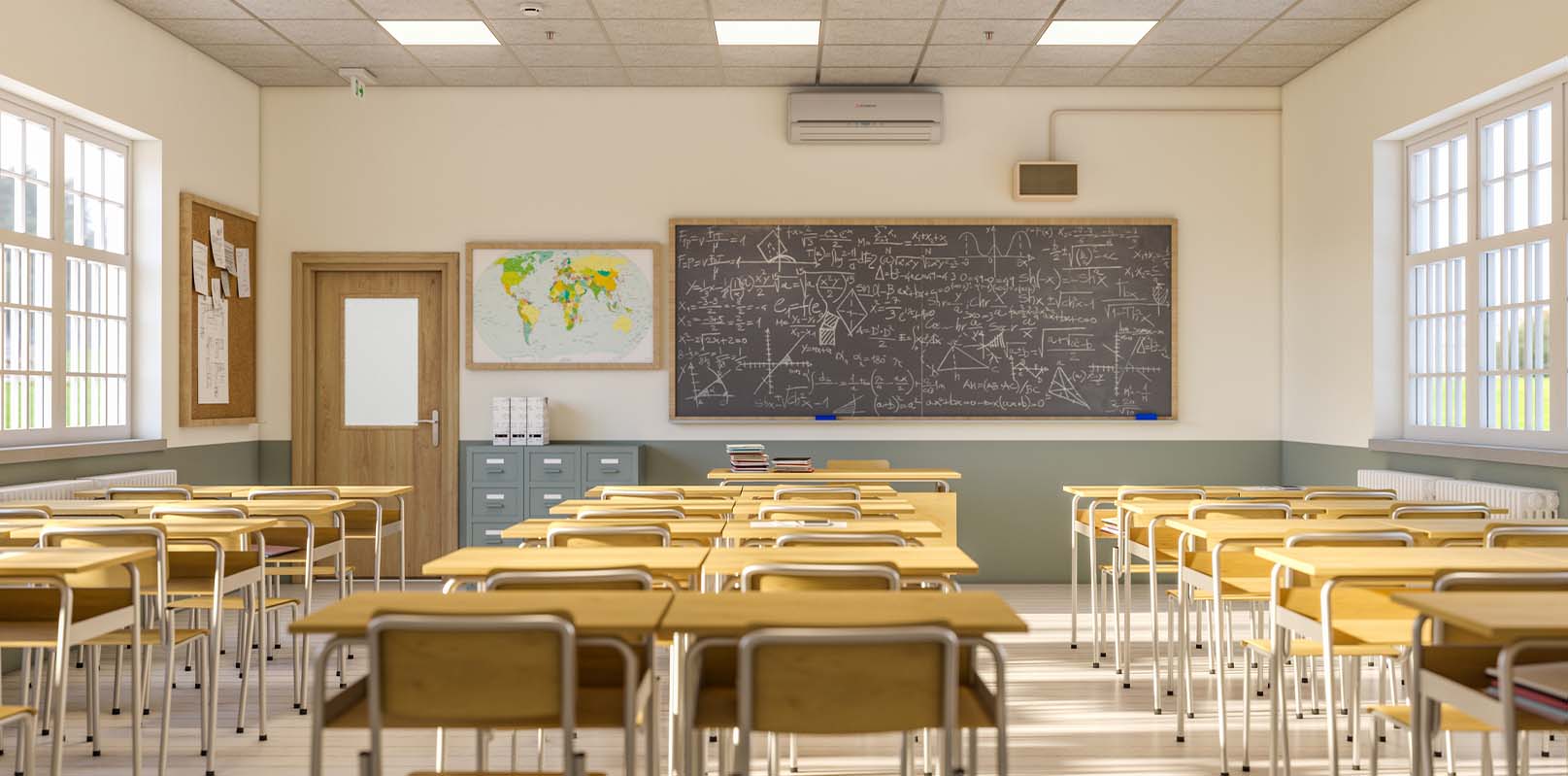
Choosing an appropriate school for a child is one of the most important decisions parents and guardians can make. With the abundance of school choices, private and public, careful decision-making is required to find the right fit for the child.
Here is what to consider when looking for a school.
Academic Performance
This shows the quality of learning, not just results. A school that emphasises understanding and critical thinking equips students with skills they’ll use far beyond exams, like problem-solving, creativity and independent thinking.
Curriculum (CBE OR IGCSE/BNC)
The curriculum determines how children learn. CBE focuses on strengths and practical skills, while IGCSE/British systems emphasise structured academics and global standards. Consider which aligns with your child’s strengths, future plans and learning style.
Facilities and Resources
Beyond the classroom, does the school have well-equipped libraries, science labs, access to technology, and creative spaces? A stimulating environment can significantly enhance how students learn and explore their interests.
Extracurricular Activities
Apart from academic lessons, schools offering numerous extracurricular activities, including sports, art classes, music, and drama, provide opportunities for students to explore different interests. A balanced school nurtures the whole child, not just their grades.
Location
Daily routines affect a child in more ways than we realise. Long or stressful commutes can lead to fatigue and affect their focus. A convenient and reliable setup supports better energy, mood and consistency in learning.
Cost and Affordability
The goal is quality education without unnecessary financial strain. Fees should match the value offered while remaining sustainable for your family. Look out for “hidden costs” such as uniforms, trips and extracurricular fees. Financial stability ensures your child’s education remains consistent and stress-free.
Security
Look into the school’s safety measures, supervision, emergency protocols and overall culture of care. Peace of mind allows students to focus fully on learning. A child cannot learn properly if they don’t feel safe. Strong safety measures and a caring environment create a sense of trust, allowing students to focus.
Reputation
It’s important to seek honest, firsthand experiences. Speaking to current parents can give you insight into how the school communicates, handles challenges, and supports students. Visiting the school during normal hours, not just on special tour days, allows you to observe the real environment: how teachers interact with students, how engaged learners are, and how the school operates on an ordinary day.
Teaching quality
A good school invests in qualified, supportive teachers who not only teach but also mentor and guide students. By visiting the school, you can observe how teachers engage with learners, how classrooms are managed, and whether the overall atmosphere feels supportive and structured. This helps in understanding how the school functions beyond what is advertised.
When these key factors come together, they create an environment where a child feels safe, inspired and empowered to succeed.
Take your time, ask the right questions and look beyond the surface. Because in the end, the right school won’t just shape your child’s education, it will shape who they become.