
Unnecessary spending you need to review
Non-essential spending may seem harmless in the moment, but over time, it can shape whether you feel financially secure or constantly short before the month ends.
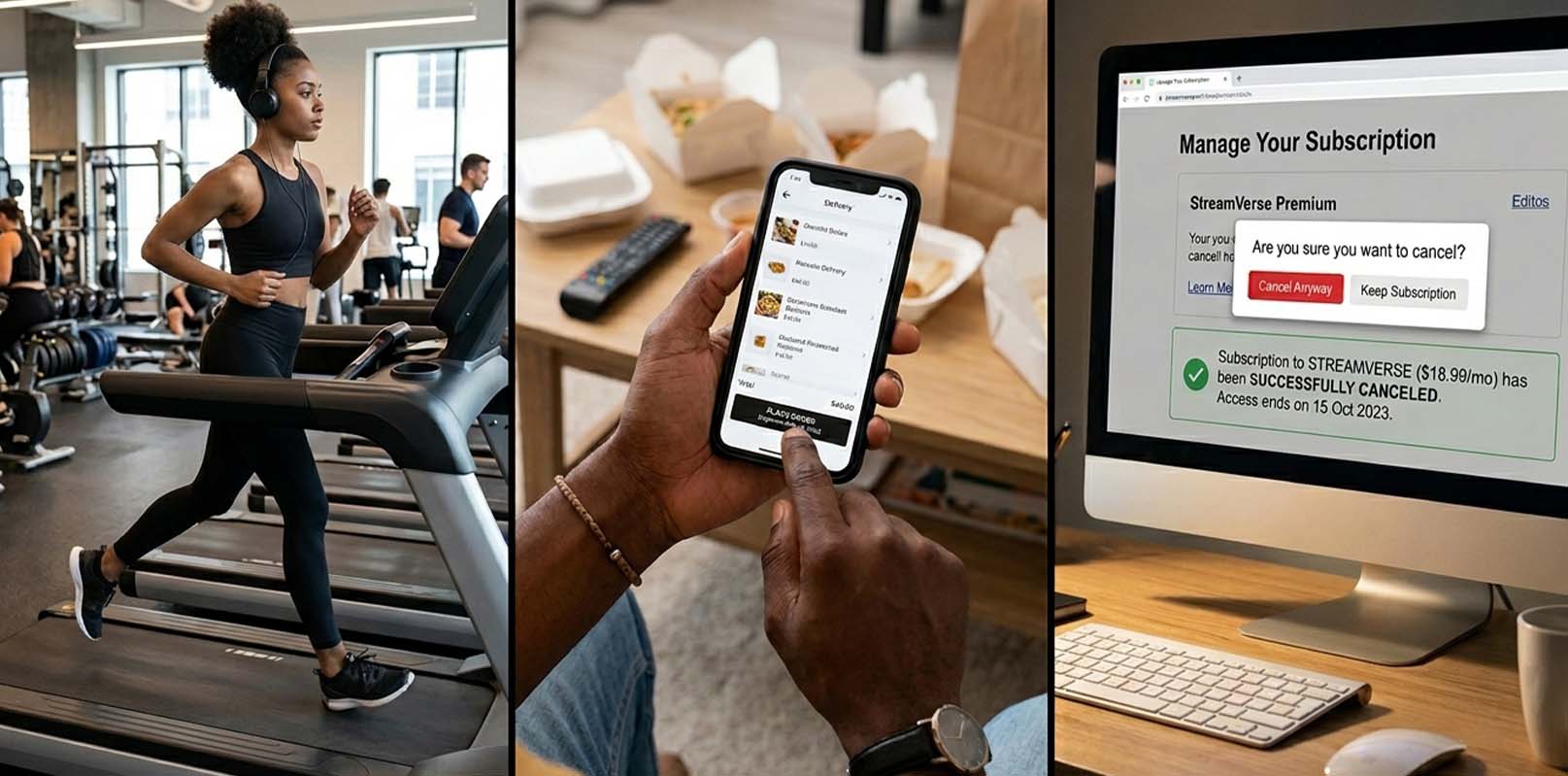
Unnecessary spending habits quietly chip away at your financial goals. These expenses slowly creep into your budget and become part of your finances. While they may seem like small everyday conveniences, they are the reason your money is slipping away.
For example:
- Why pay for a full gym membership when you only go twice a week and could just pay per visit?
- Why pay for extra phone features you never use?
- Why spend money eating out every day when you can cook at home for less?
These are some of the common spending habits that leave many people broke before the 20th of the month.
But before you panic and cancel everything fun, do not worry. This is not about cutting out all fun; it is about identifying the habits, subscriptions and impulse buys that no longer deserve a place in your budget.
Here are practical tips to help you curb spending habits that chip away at your finances.
- Cancel unused subscriptions.
Subscriptions are one of the ways money can slip away without you noticing. Things like streaming platforms, gym memberships, music apps, cloud storage, and premium services may seem cheap on their own. Together, they can take up a large portion of your monthly budget. Check your bank statements often to find subscriptions you do not use or do not get value from. Cancelling unused services can give you more money for savings, bills, or more important things.
2. Behavioural changes.
Many financial struggles do not come from big purchases. Behavioural change helps break those patterns, making it easier to stay within budget without feeling restricted. For example, avoiding emotional spending, which is reactive and start making money decisions which are driven by needs and plans, not by moods in the moment.
3. Smart budgeting and planning.
A budget works best when it is realistic, and you mean to stick to it. Setting limits for things like entertainment, dining out, shopping and other non-essential expenses can help you avoid overspending.
Tracking your expenses during the month also helps you know where your money is going.
Planning for meals, transportation, or major purchases can help you avoid unnecessary spending due to poor preparation or last-minute decisions.
4. Choose lower-cost alternatives.
It’s asking, “Can I get the same value for less?” You are not reducing the quality of life; you are removing unnecessary costs. Being intentional with money means recognising when a cheaper option can deliver the same practical result as a more expensive one. It is all about getting the same value without overpaying.
5. Focus on what you need, not what you want.
Essential expenses like rent, groceries, bills, transport, and savings should always come first before spending on luxury.
Not every purchase is necessary, even when it feels like it in the moment. Learning to tell needs from wants can help you be financially disciplined.
Focusing on priorities helps one avoid stress and build long-term stability.
At the end of the day, managing money is not about how much you earn but how well you control what quietly leaves your wallet. Non-essential spending may seem harmless in the moment, but over time, it can shape whether you feel financially secure or constantly short before the month ends.