
Beyond the pitch: How kenyans cashed in on the 2026 FIFA World Cup
From merchandise vendors and sports bars to ride-hailing drivers, food vendors, content creators, and betting firms, the 2026 FIFA World Cup became more than a football spectacle; it became a chance to earn. While the players battled for football's biggest prize in North America, Kenyans found their own way to profit from the beautiful game. But exactly how did they do it?
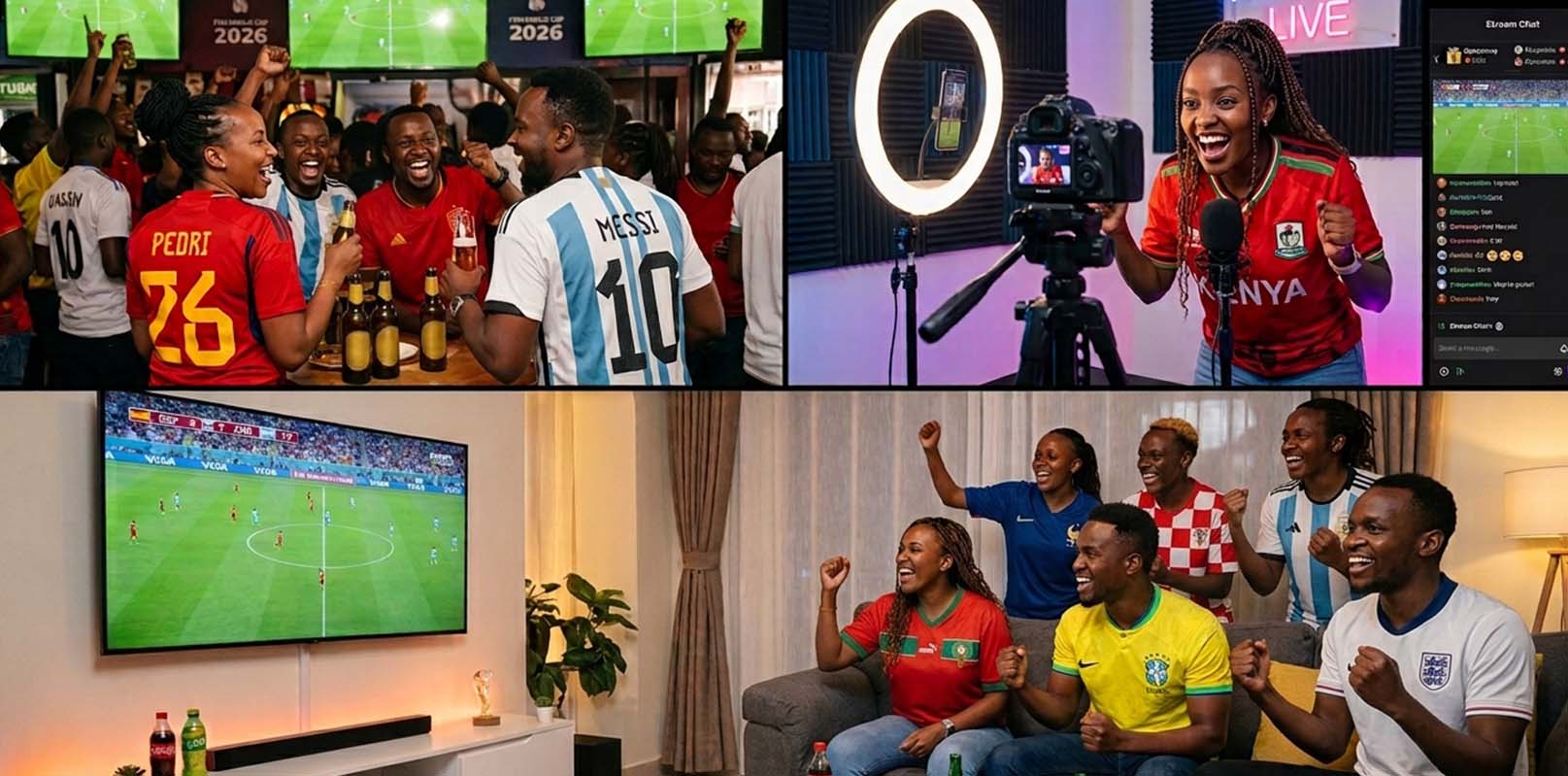
For 39 days, football fans watched their favourite teams battle for World Cup glory. But beyond the goals, drama and celebrations, many Kenyans discovered something even bigger: new business opportunities.
Held every four years, the FIFA World Cup is the world’s biggest sporting event, bringing together the world’s best teams and billions of viewers. But beyond the goals, celebrations, and heartbreak, the tournament also creates economic opportunities that extend far beyond the stadiums.
From merchandise vendors and sports bars to ride-hailing drivers, food vendors, content creators, and betting firms, the 2026 FIFA World Cup became more than a football spectacle; it became a chance to earn. While the players battled for football’s biggest prize in North America, Kenyans found their own way to profit from the beautiful game. But exactly how did they do it?
Watch parties: The real home advantage
Bars, restaurants, hotels, and entertainment venues transformed into mini stadiums. Giant screens, surround sound, themed decorations, and jersey giveaways attracted football fans eager to watch every match alongside fellow fans.
Many venues introduced entry fees, happy-hour offers, and match-day promotions. For business owners, each standout fixture meant a packed house, fully occupied tables, and increased sales.
Merchandise Vendors
The World Cup sparked a rush for football merchandise among fans. Proudly, whether supporting Portugal, Argentina, Brazil, England, France, or the tournament’s surprise underdogs, they excitedly sought out merchandise for their favourite teams. For traders, this meant replica products – jerseys, scarves, flags, hats, wristbands – more imaginative than what they’d sold the previous day. Face paint also became a hot-selling item.
Vendors made a killing by selling merch outside sports bars and on busy streets, and by using social media to advertise their products. Some even offered same-day delivery within Nairobi, making it easier for fans to get their purchases just hours before kick-off.
Content creators
While players chased goals on the pitch, Kenyan content creators chased views online. TikTok, Instagram, Facebook, X, and YouTube were flooded with match reactions, predictions, fan interviews, memes, debates, and live commentary.
Some creators monetised their content through advertising revenue, brand partnerships, affiliate marketing, and increased follower counts, proving that football fever could also pay off online.
Capture the moment
Watch parties created demand for photographers and videographers. Entertainment venues hired creatives to document packed crowds, emotional celebrations, themed events, and promotional social media content.
Fans also paid for professional photos while dressed in their favourite team colours.
Betting fever: Stakes and payouts
Every match was more than a game; it was an opportunity to test their predictions. Betting companies recorded higher activity through promotions and increased betting volumes, while some lucky punters walked away with substantial payouts. However, not everyone won, highlighting that while the tournament created earning opportunities for some, betting remained a high-risk venture.
The trophy went to the champions, Spain. However, locally, Kenyans proved there were profits to be made, and they did. The beautiful game created more than unforgettable moments; it created opportunities. For many Kenyans, the World Cup wasn’t just about who won on the pitch; it was about who made the smartest move off it.