
What new NSSF deductions mean for your payslip
As part of the multi-year implementation of the NSSF Act, 2013, Kenyan companies and employees will see another change in NSSF contributions starting in February 2026.
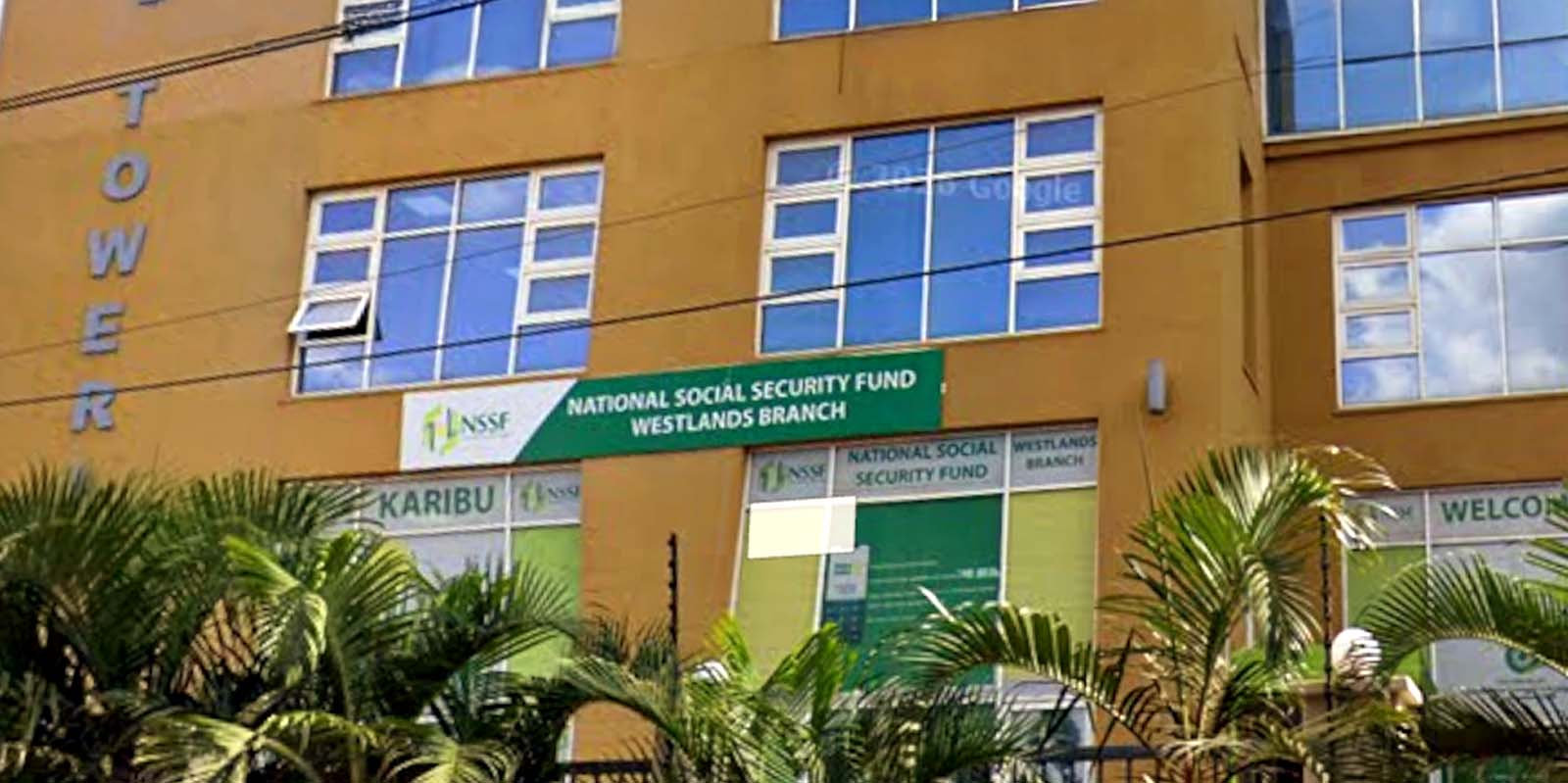
If you are a Kenyan salaried employee, your take-home salary has shrunk, given the new implementations.
You will notice a dip in your salary as the National Social Security Fund (NSSF) implements its latest scheduled hike, the 4th phase of the NSSF Act, 2013. This pushes pension contribution ceilings to a new historic high of KSh108, 000.
As part of the multi-year implementation of the NSSF Act, 2013, Kenyan companies and employees will see another change in NSSF contributions starting in February 2026. The government formally moved from the long-standing flat-rate contribution model to a modern, earnings-related pension structure in February 2023, and this phase is the fourth in a five-year transition process.
The purpose of this incremental increase is to progressively enhance retirement savings for workers in Kenya, while allowing employers and payroll systems sufficient time to adjust to the new regulations without experiencing abrupt financial disruptions.
The NSSF Act of 2013 introduced substantial reforms designed to improve retirement security by aligning Kenya’s pension system with international best practices. Rather than requiring all workers to contribute a uniform fixed amount irrespective of their income, the Act implemented a two-tier contribution system directly linked to an individual’s pensionable earnings.
In this framework, both employees and employers contribute 6% each resulting in a total of 12% on earnings that fall within specified limits.
Tier I involves earnings up to the Lower Earnings Limit, which encompasses lower-income workers to guarantee universal retirement protection. Tier II relates to earnings that lie between the Lower and Upper Earnings Limits, impacting middle and higher-income earners.
While contributions to Tier I must be submitted exclusively to the NSSF, Tier II contributions may, with the consent of the Retirement Benefits Authority (RBA), be allocated to a registered private pension scheme if the employer chooses to pursue this option. This provision aims to foster competition in the market, improve investment returns via a variety of pension options, and provide employees with the chance for potentially increased retirement benefits.
The adjustments scheduled for February 2026 will specifically impact on the salary thresholds utilized for calculating these contributions.
The Lower Earnings Limit is set to rise from KSh 8,000 to KSh 9,000, whereas the Upper Earnings Limit will experience a more substantial increase from KSh 72,000 to KSh 108,000. This significant rise in the Upper Earnings Limit is particularly noteworthy as it broadens the income range upon which contributions are based, indicating that employees earning KSh 72,000 or more monthly will incur higher deductions. As the contribution rate stays at 6%, the adjustment in the limit leads to an increase in the maximum allowable employee contribution from KSh 4,320 to KSh 6,480, with employers obligated to match this amount. Consequently, this results in the highest total monthly contribution submitted to NSSF or an authorized scheme rising from KSh 8,640 to KSh 12,960.
For employees, this naturally prompts inquiries regarding the effect on disposable income. Those whose earnings exceed the previous Upper Earnings Limit will observe a decrease in their net pay as a greater share of their salary is allocated to retirement savings.
Nevertheless, the purpose of the Act is to guarantee that workers accumulate more substantial pension benefits, particularly in light of Kenya’s escalating cost of living and rising life expectancy.
For numerous employees, the improvement in long-term financial security is anticipated to surpass the short-term reduction in take-home pay. Lower-income workers may not experience the impact as acutely since their calculations are based on the Lower Earnings Limit, which has only seen gradual increases.
From an employer’s perspective, the February 2026 changes to National Social Security Fund (NSSF) make compliance very important. They must deduct the right amount, match it fully, and remit the contributions on time to avoid penalties and interest.
Companies should also review whether directing Tier II contributions to a private scheme is more beneficial. Although contributions will increase, the goal is to help workers retire with better and more secure benefits.