
Bei ni poa, lakini ulioshwa: The impact of counterfeit goods
Fake items usually lack durability due to their short lifespan. The hidden costs come in the form of frequent replacements of what you bought. And the more you wear them out, the more money you end up spending to replace them.
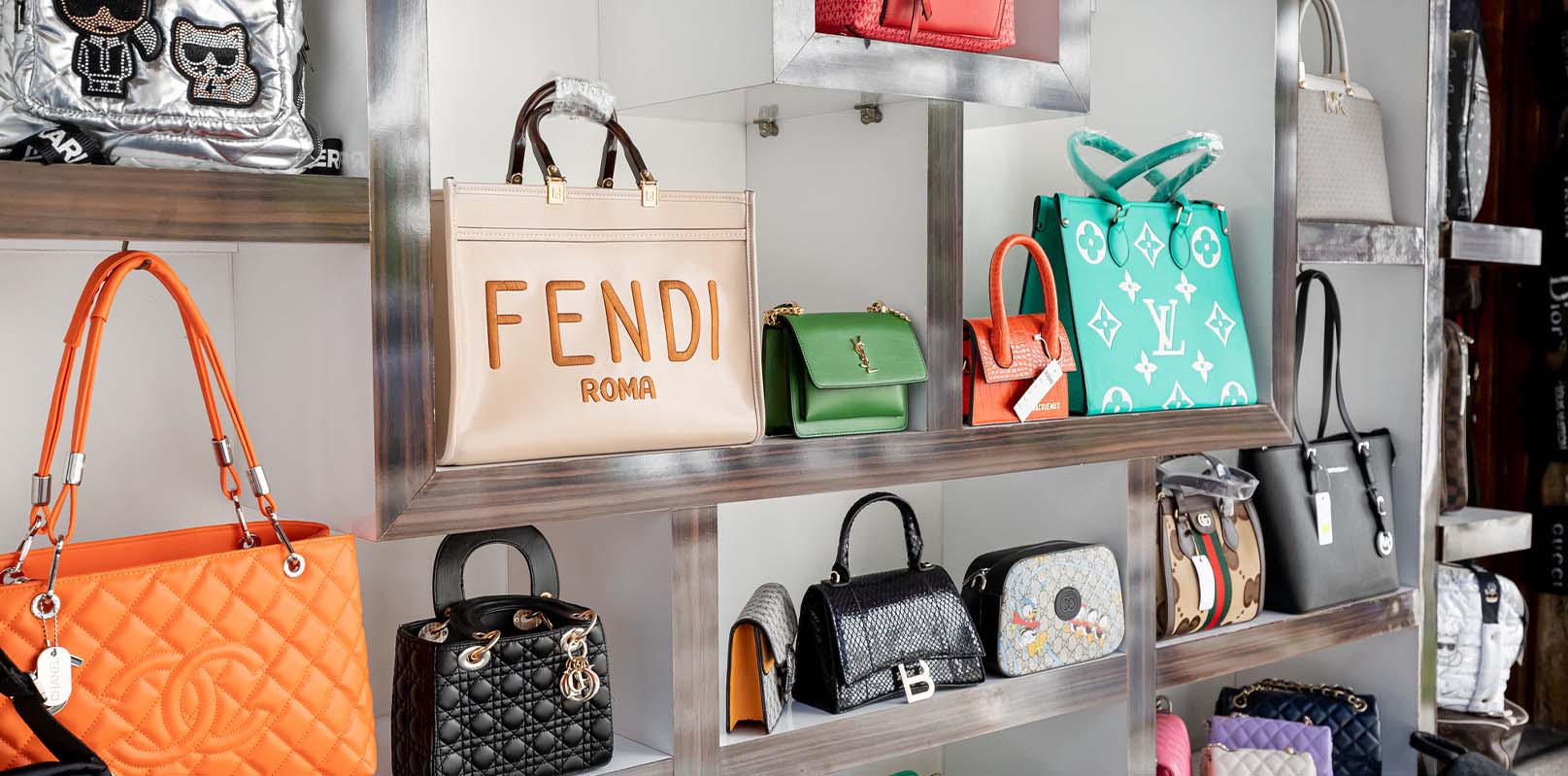
Ever bought a product that you thought was a brand name, like a designer bag whose logo peeled off after one wash, or a pair of shoes whose soles detach after a few wears? Welcome to the world of counterfeit goods, where appearances can be deceiving and a price that usually seems too good to be true usually is.
Counterfeit goods are replica products designed to deceive customers into thinking what they are purchasing is original but comes at a lower price. As a result, the counterfeit industry is thriving because consumers are offered luxury at lower prices and everyday essentials at bargain prices.
In an economy where the cost of living continues to rise, counterfeit goods might save you a few shillings; however, the repercussions are felt across the economy.
Here are the impacts of counterfeit goods.
Hidden costs
Fake items usually lack durability due to their short lifespan. The hidden costs come in the form of frequent replacements of what you bought. And the more you wear them out, the more money you end up spending to replace them.
Health and safety risks
Consumables, including food, beverages and medicine, might be unsafe, as fake products are often produced without adhering to proper safety or quality standards. Fake cosmetics may contain dangerous chemicals which can cause skin irritation or allergic reactions. These products put consumers’ health and lives at risk.
Brand value
When buyers buy fake products thinking it’s the real deal, they tend to blame the original brand. Consumers who unknowingly buy counterfeit goods may lose confidence in the brands they intended to purchase. This damages the reputation of legitimate businesses as consumers become more cautious in the marketplace.
Over time, repeated exposure to these products can destroy consumers’ trust in the brands and their confidence in the e-commerce landscape.
Reduced income and loss of jobs
Businesses involved in legitimate trade, from suppliers and distributors to retailers and carriers, are likely to suffer from reduced income. With losses to counterfeiters affecting their bottom lines, companies have no option but to cut back on expenses. This might involve holding off on hiring, reducing workers’ pay, and even laying off employees.
The long arm of the law
When dealing in illegal products, one does not pay taxes or comply with government safety regulations. However, as content creator and shoe business owner Shiquo wa Hii Style found out, the long arm of the law always catches up. In June 2026, authorities raided her business premises and seized goods worth millions of shillings, which they claimed were counterfeit. This left the content creator’s business facing an uncertain future. But what lessons did Shiquo learn? Dealing in counterfeit goods can cost so much after the authorities have taken everything – it might force you to start from scratch. “If you are in this business, do the necessary because they are coming and they do not care,” she said.
Economic impact
Other than monetary losses to individuals and organisations, governments also lose money through the sale of these goods.
One of the major effects on the economy is a lack of revenue for the government that comes in the form of duties and taxes paid. This means that the country will have to rely heavily on debt to fund its budget. The trickle-down effect will then result in a significantly increased debt budget and higher borrowing costs.
In conclusion, the next time a deal seems too good to be true, it probably is. That “designer” perfume might be more water than fragrance, those branded sneakers might retire before you do, and that bargain charger could leave your phone or your socket fighting for its life.
Combating counterfeit goods therefore requires stronger law enforcement, increased public awareness, responsible consumer choices, and closer cooperation between governments, businesses, and online marketplaces. At the end of the day, the only thing that should be fake is your online filter, not the products you’re spending your hard-earned money on.