
How tomatoes have become the red gold of the market
In many homes, buying tomatoes has become a careful financial decision. From kiosks to supermarkets, tomato prices have continued to rise because of unpredictable weather, spiking fuel and transport costs and an increase in farming costs.
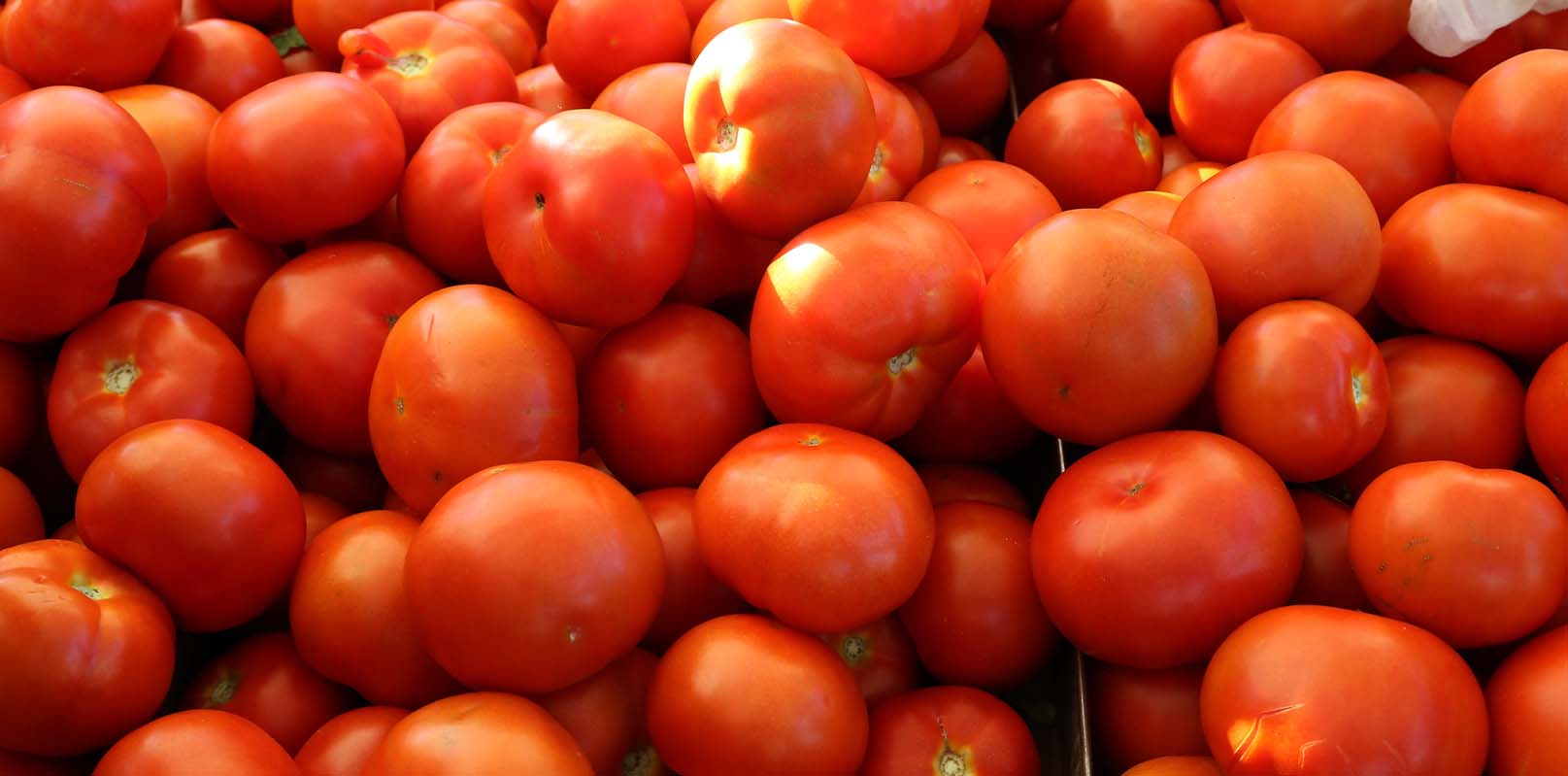
There was a time when tomatoes were the humble sidekick of the market, and in every Kenyan meal. You could walk into a market and buy three tomatoes for KSh20, but now they cost KSh50, making them seem like a luxury.
In many homes, buying tomatoes has become a careful financial decision. From kiosks to supermarkets, tomato prices have continued to rise because of unpredictable weather, spiking fuel and transport costs and an increase in farming costs.
But why exactly are tomato prices increasing?
One major reason is unpredictable weather. Tomatoes require stable temperatures, enough sunlight, and a consistent water supply to grow properly. However, changing weather patterns, prolonged droughts, and heavy rains have disrupted farming seasons across the country. Too much rain can destroy crops through flooding and diseases, while drought reduces yields because farmers struggle with irrigation.
Another factor is the rising cost of farming. Tomato farming today is expensive. Farmers must purchase quality seeds, fertilisers, pesticides, irrigation equipment, and pay for labour. The cost of these farm inputs has increased significantly over the years, making production more costly. In return, farmers are forced to sell tomatoes at higher prices to recover their expenses.
Fuel and transport costs have also played a major role. Tomatoes are highly perishable and must be transported quickly from farms to markets. Most tomatoes consumed in urban areas are transported from farming regions such as Kirinyaga, Kajiado, Nakuru and Meru. When fuel prices rise, transportation becomes more expensive, and these extra costs are eventually passed on to consumers.
Tomatoes are among the most consumed vegetables in Kenya, and they are used in stews, sauces, salads, and other traditional dishes. Without tomatoes, many meals feel incomplete. This high demand means that even a slight shortage in supply can quickly push prices upward.
There are different types of tomatoes grown in Kenya, such as Fresh Market tomatoes, processing and paste tomatoes, speciality and small tomatoes, and tree tomatoes, but today, the focus is on the Fresh Market tomatoes.
Tomatoes thrive in well-drained sandy-loam soils with sufficient organic material and moderate temperatures. They require quality seeds, irrigation facilities, fertilisers, pesticides, and labour to produce healthy plants. Some common types of tomatoes grown in Kenya include Anna F1, Kilele F1, Roma VF, Tylka F1 and Randah F1.
To address these challenges, some farmers are now adopting modern farming techniques such as greenhouse farming, drip irrigation and others. Greenhouse farming, for example, allows farmers to control temperature and water supply, thereby improving yields and reducing crop losses from harsh weather. However, these technologies are expensive and inaccessible for many small-scale farmers.
Experts believe that securing tomato prices will need long-term solutions. Improving irrigation systems, reducing transport costs and investing in better storage facilities could help make tomatoes more affordable to consumers.
A tomato may seem small, but its rising in price tells a different story, one about inflation, climate change, struggles in farming and the growing pressure on the Kenyan consumer.