
Financial red flags in relationships
Much like emotional red flags, these financial warning signs may seem small or insignificant at first. However, if left unchecked, they can quickly escalate into major issues, including mounting debt, difficulty covering daily expenses, and prolonged stress.
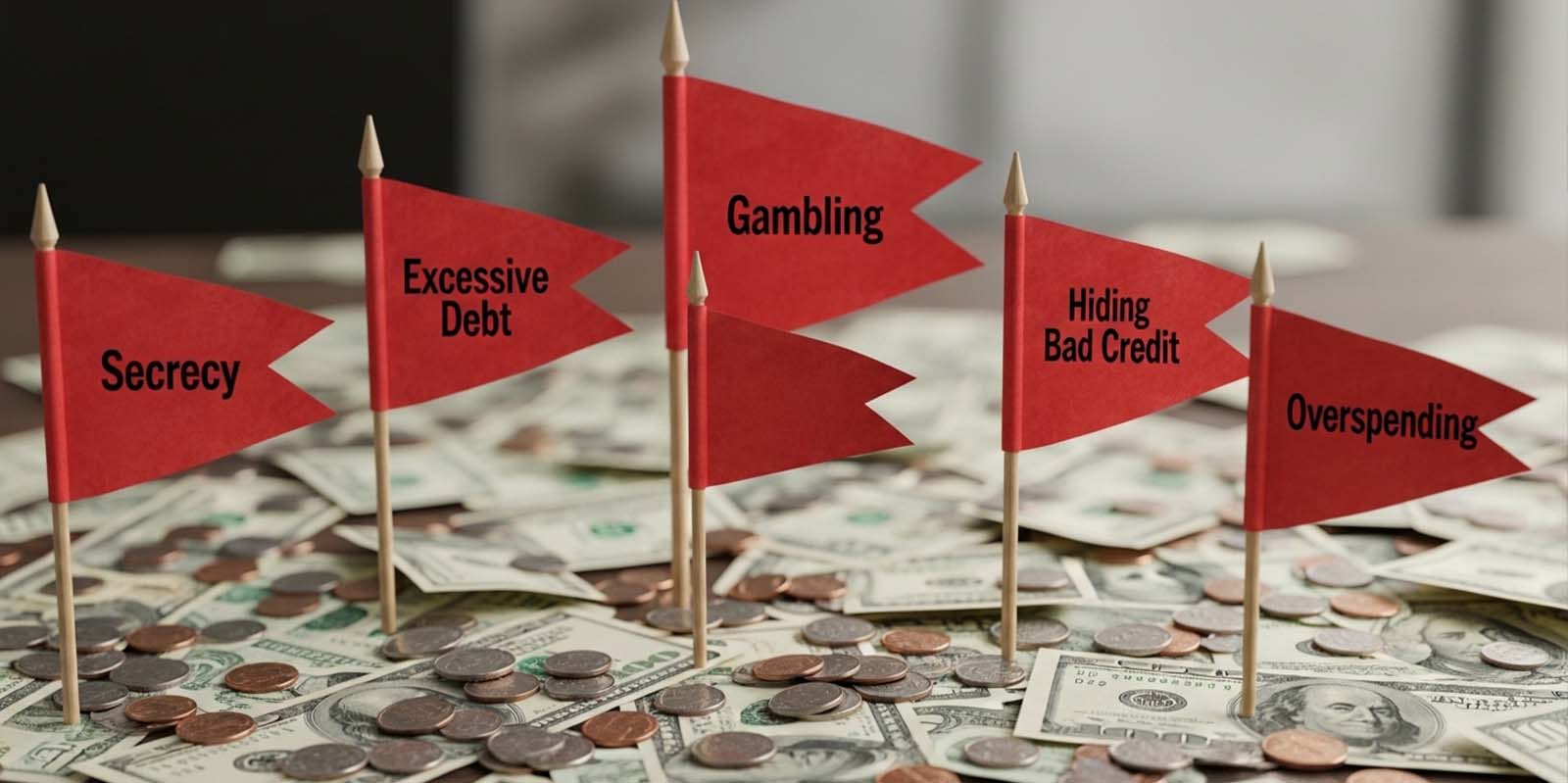
The term “red flags”, although mostly used in romantic relationships, can also refer to warning signs in areas such as communication patterns, obsessive tendencies, and finances.
Financial red flags in relationships are spending habits or money behaviours that signal potential problems with how you or your partner manages finances. Much like emotional red flags, these financial warning signs may seem small or insignificant at first. However, if left unchecked, they can quickly escalate into major issues, including mounting debt, difficulty covering daily expenses, and prolonged stress.
But how do you know which red flags to look out for? Here are some warning signs to pay attention to.
Secrecy
In any relationship, communication is key. Reluctance to discuss finances or secrecy around money can therefore be a significant red flag.
You might notice this when your partner avoids conversations about finances altogether. If they seem hesitant to talk about money, consider suggesting that you speak to a financial advisor together. This can help make the conversation feel collaborative rather than confrontational.
According to Scott Pape, author of The Barefoot Investor, it is important to approach the topic carefully. Accusations can lead to defensiveness, so it’s better to ask open-ended questions about financial goals and values. If you suspect financial infidelity, try to address it calmly and constructively. One helpful strategy is to establish a “financial honesty policy”, where both partners agree to be transparent about spending, debt, and savings goals.
Excessive Debt
Debt can be a very sensitive topic. As a result, some people choose to avoid discussing it or hope it will resolve itself over time. Unfortunately, ignoring debt usually makes the situation worse.
While bringing it up may feel invasive, finances are no longer a private issue when you are planning a future together. It is difficult to build long-term plans with someone who has no intention of addressing their financial obligations.
Debt itself isn’t necessarily a problem – many people have car loans, credit card balances, or student loans. However, excessive debt without a clear repayment plan may signal poor financial management.
If the debt is substantial, consider working together to create a budget that prioritises paying down high-interest balances first.
Poor Budgeting or Overspending
If your partner struggles to stick to a budget, it could indicate a tendency to live beyond their means. Over time, this behaviour may lead to poor credit, increasing debt, or a lack of financial security.
Healthy financial habits require planning and discipline. Without them, even a stable income can quickly disappear through impulsive or unnecessary spending.
Hiding Bad Credit
Financial secrets can be almost as damaging to a relationship as a romantic betrayal. If your partner hides a poor credit history, it may directly or indirectly affect your shared financial future.
Bad credit can influence major decisions such as applying for loans, renting a home, or making large purchases together. Concealing this information can therefore be considered a form of financial infidelity, one that often leads to arguments and broken trust.
Frequently Borrowing Money from Friends and Family
Needing help occasionally during a financial emergency is normal. However, when borrowing money becomes a habit with no clear effort to change the pattern, it may signal deeper financial problems.
According to Danielle Seurkamp, founder of Well Spent Wealth Planning, if someone struggles to take care of themselves financially, it may be unrealistic to expect them to support a partner as well. There is an important difference between asking for help occasionally and becoming financially dependent on others. Ongoing reliance on friends and family for money can indicate broader issues with financial responsibility.
Gambling
Betting – especially sports betting – is often seen as a quick way to make money. However, it can quickly turn into an addiction that spirals out of control.
Problem gambling can lead to serious financial losses, emotional strain, and broken trust within a relationship. Beyond the economic impact, it can also cause significant social harm and is often cited as a major contributor to relationship breakdowns and divorces.